
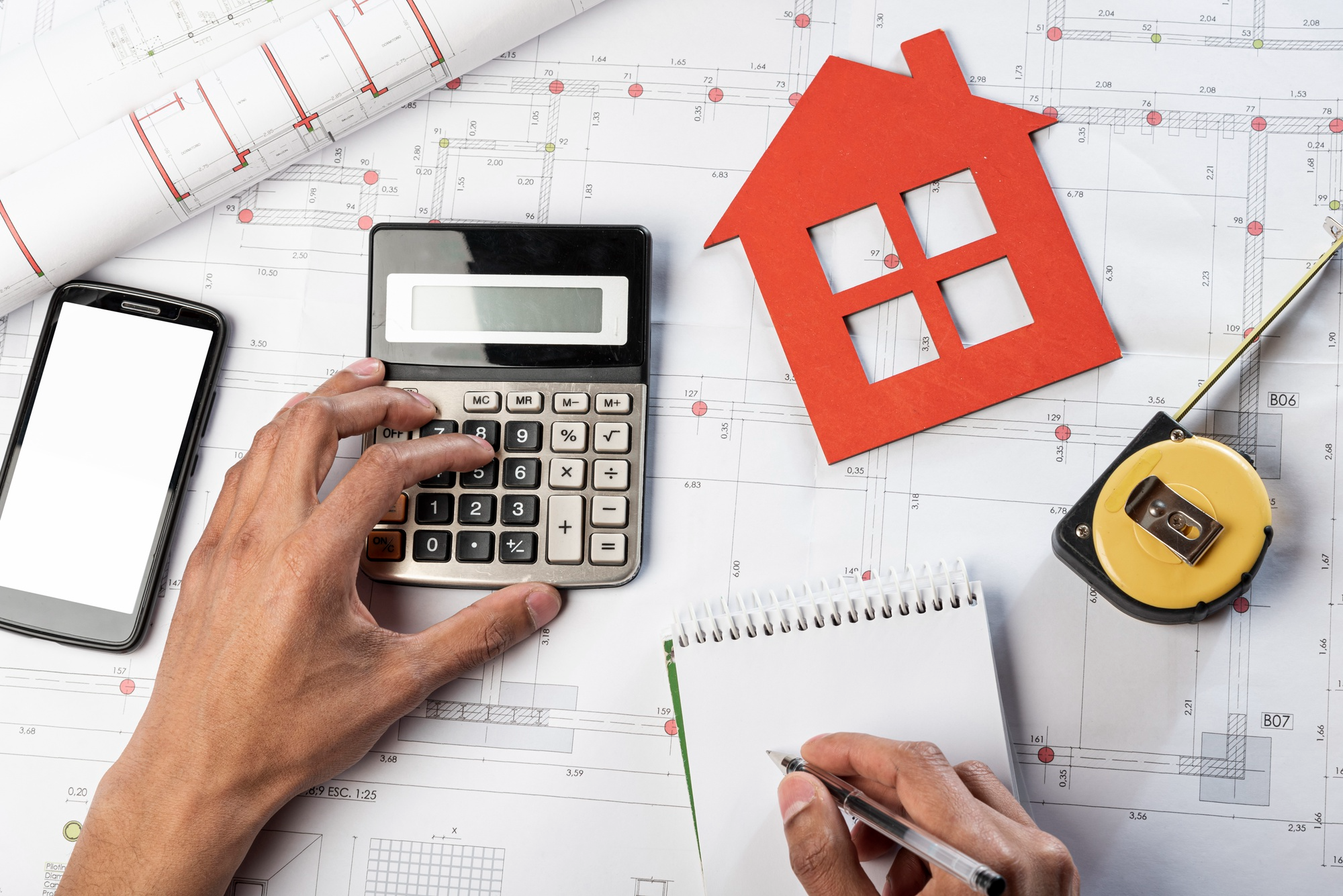
Planning home upgrades is exciting, but can you get tax relief in Canada? Standard renovations on a primary residence are not tax-deductible, but targeted federal credits offer great savings. Let’s explore how you can maximize your tax returns on your next project.
Tópicos abordados neste artigo:
- Core tax rules for Canadian homes
- Tax deductions vs. tax credits
- Home Accessibility Tax Credit (HATC)
- Eligible HATC renovation expenses
- Multigenerational Tax Credit (MHRTC)
- Qualifying secondary unit rules
- Rental property tax deductions
- Keeping proper receipts for the CRA
Are Home Renovations Tax Deductible in Canada?
Many Canadian homeowners believe they can deduct any home improvement cost from their income taxes. However, the general rule from the Canada Revenue Agency is that personal home renovations are not tax-deductible.
This is because the tax system treats renovations on a primary residence as personal living expenses rather than business investments. You cannot write off cosmetic upgrades like new paint, tiling, or kitchen countertops.
Fortunately, there are key exceptions to this rule. The government offers specific tax credits to help with accessibility modifications, multigenerational living units, or green energy-efficient improvements.
Our home additions and custom renovations show that homeowners who plan their designs carefully can integrate functional and eligible layouts. This structural alignment makes it easier to submit valid receipts when tax season opens.
Tax Deductions vs. Tax Credits: The Core Difference
To save money on your taxes, you must understand how deductions and credits differ. A tax deduction reduces your total taxable income, meaning you are taxed on a smaller amount of money overall.
A tax credit, however, directly reduces the amount of tax you owe, dollar for dollar. A non-refundable credit can only reduce your tax bill to zero, while a refundable credit pays out a refund if you owe nothing.
Most renovation incentives in Canada are structured as tax credits. Understanding this difference helps you plan your project budget and accurately estimate your final tax savings during tax season.
For instance, if your tax liability is two thousand dollars and you claim a three thousand dollar non-refundable tax credit, your tax drops to zero, but you do not get the difference. If it were a refundable credit, the government would issue a refund check.
The Home Accessibility Tax Credit (HATC) for Seniors
The Home Accessibility Tax Credit is a federal non-refundable credit for seniors and individuals with disabilities. It helps cover the cost of vital home renovations that improve safety and mobility.
Under the HATC program, you can claim a fifteen percent tax credit on up to twenty thousand dollars of qualifying expenses. This can result in a direct tax savings of up to three thousand dollars.
To claim the credit, the renovation must be permanent and directly benefit an eligible individual. This is a great way for families in Vaughan to support their elderly relatives living at home.
This non-refundable credit is calculated at the lowest federal tax rate of fifteen percent, matching standard federal guidelines. It can be shared among multiple eligible individuals who contribute to the renovation costs, up to the annual limit of the dwelling.
What Renovation Expenses Qualify Under the HATC?
Only specific accessibility renovations qualify for the HATC program. Eligible expenses must focus on helping a qualifying individual gain access to, or move safely and functionally within, their dwelling.
Common examples include installing wheelchair ramps, widening interior doors, putting up grab bars, and installing walk-in bathtubs. These changes make the home safer and reduce the risk of accidents.
Routine maintenance and landscaping do not qualify. Verify qualifying rules on the official CRA HATC page to verify your project.
Additionally, if you are planning to build a custom bathroom renovation Vaughan suite with safety features, incorporating these elements during initial construction is much more cost-effective. Grab bars and curb-less entries fit seamlessly into modern luxury designs.
The Multigenerational Home Renovation Tax Credit
The Multigenerational Home Renovation Tax Credit is a refundable credit designed to support families living together. It allows you to claim fifteen percent of eligible costs, up to fifty thousand dollars.
This program provides a maximum tax refund of seven thousand five hundred dollars. Because it is a refundable credit, you receive the money even if you do not owe any income tax for that year.
This incentive is ideal for families building a secondary suite for a senior relative or an adult child with a disability, making multigenerational living much more affordable across Canada.
The MHRTC helps alleviate multigenerational housing costs, making it easier for Vaughan families to stay together. It also provides immediate tax relief, returning hard-earned capital directly to you to cover material or labor costs incurred during construction.
Who is Eligible for the MHRTC Program?
To qualify for the MHRTC, the renovation must create a self-contained secondary unit within your home or on your property. This unit must have a private entrance, a kitchen, and a full bathroom.
The unit must be built for a qualifying relation who is sixty-five or older, or an adult eligible for the Disability Tax Credit. The space must also comply with all local zoning and building codes.
Verify all eligibility rules and access the forms on the official CRA MHRTC page before starting construction.
This secondary suite can be constructed in your basement or as a detached garden home on your lot. Our design-build team ensures that your building permits are approved by Vaughan city inspectors, giving you full confidence that your space meets all legal codes.
Tax Deductions for Income-Generating Rental Properties
If you own an income-generating rental property, the tax rules change. You can deduct many renovation and repair costs from the rental income you report, helping lower your taxable rental earnings.
The CRA divides rental property expenses into current and capital expenses. Current expenses, like painting or minor repairs, are routine maintenance and can be deducted in full in the current tax year.
Capital expenses, such as a brand-new kitchen or roof, improve the property beyond its original state. These must be depreciated over several years using the Capital Cost Allowance rules.
For example, if you rent out a finished basement suite in Vaughan, you must prorate the renovation costs based on the square footage of the rental area. Only the portion of the costs directly related to the tenant’s space can be claimed against your rental earnings.
The Importance of Keeping Proper Receipts for the CRA
The success of any renovation tax claim depends entirely on your documentation. The CRA routinely audits renovation claims, and they will reject any claim that lacks detailed receipts and contracts.
Your invoices must show the contractor’s name, business number, date, details of materials, and proof of payment in full. Cash deals without official invoices will completely disqualify your claim.
Always work with a licensed builder who provides professional documentation. Keeping organized records for at least six years ensures you remain fully compliant and secure your tax credits.
Always ask your general contractor for detailed, itemized invoices showing HST amounts separately. Avoid builders who offer cash discounts to skip paperwork, as this will completely void your ability to claim the HATC, MHRTC, or provincial green energy incentives.
Conclusion
Navigating Canadian tax rules for home renovations is simple with the right planning. While general renovations are not deductible, HATC and MHRTC credits offer real savings. Keep detailed receipts, verify eligibility, and hire a professional team to build a beautiful, tax-compliant home.
Frequently Asked Questions
Can I claim home renovations if I work from home?
If you are self-employed and use a dedicated home office, you can deduct a prorated portion of maintenance costs. You cannot deduct major capital renovations, and claiming depreciation may affect your Principal Residence tax exemption when you sell your home.
What qualifies as a secondary suite for the MHRTC?
To qualify for the MHRTC, the suite must be a self-contained unit with a private entrance, kitchen, and bathroom. The space must be built for an eligible senior relative or adult with a disability, and it must comply with all local building codes.
Can seniors claim walk-in tubs on their tax return?
Yes, seniors or disabled residents can claim safety modifications like walk-in bathtubs and grab bars under the Home Accessibility Tax Credit (HATC). These expenses are claimed on line 31285 of the federal tax return for up to $20,000 in costs.
How are current and capital rental expenses treated?
Current expenses are routine repairs (like painting) and are deducted in full in the current year. Capital expenses are major improvements (like a new kitchen) and must be depreciated over several years under the Capital Cost Allowance rules.
Are landscaping and interlocking tax-deductible?
Generally, landscaping and interlocking are considered personal expenses and are not tax-deductible. The only exception is if the outdoor work is directly required to create safe wheelchair access for a senior or disabled resident under the HATC program.
Planning a custom home renovation or secondary suite in Vaughan? Our design-build team handles everything from design to final construction, providing the compliant invoices you need for tax season. Contact us today to schedule your free consultation!